Baseball is one of the most popular youth sports in America but the repetitive stress of throwing places real demand on a growing pitcher’s arm. Two of the most common injuries seen in young baseball players are Little League Elbow and Little League Shoulder.
The good news: most athletes recover fully when these injuries are caught early and managed properly. Knowing what to look for can keep a minor problem from becoming a major setback.
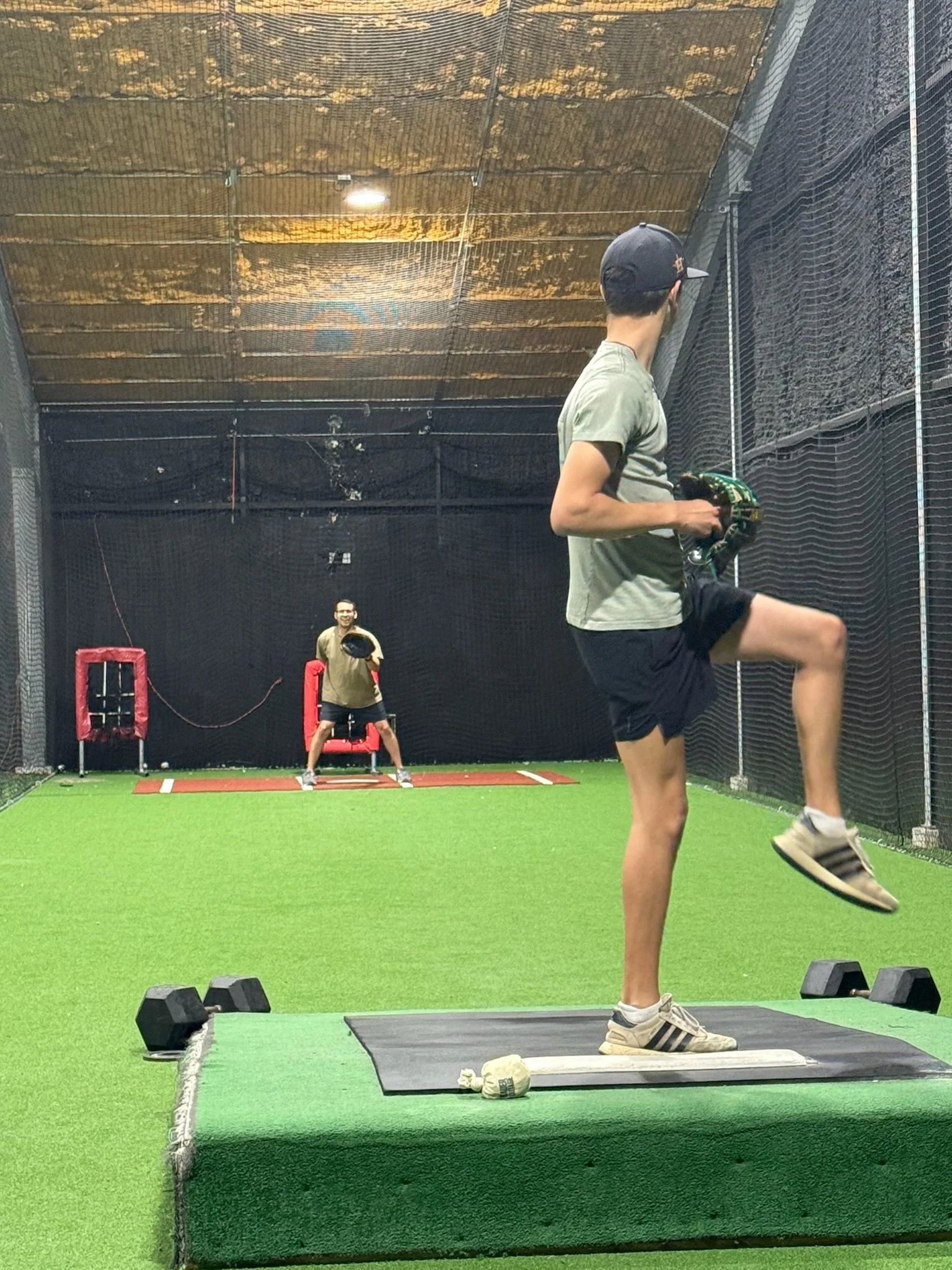
What Is Little League Elbow?
Little League Elbow is an overuse injury affecting the inside of the elbow. In growing athletes, the growth plate at the inner elbow is typically the weakest link in the throwing chain.
During pitching, the arm absorbs significant stress along the inner elbow with every throw. Over time, that repetitive load can irritate the growth plate and surrounding tissues — including the flexor-pronator muscle group and the ulnar collateral ligament (UCL).
Signs and Symptoms of Little League Elbow
Pain on the inside of the elbow during or after throwing
Tenderness when pressing on the inner elbow
Decreased throwing velocity or loss of command
Arm Fatigue - arm tires earlier than usual
Difficulty fully straightening the elbow
What Is Little League Shoulder?
Little League Shoulder is an overuse injury involving the growth plate near the top of the upper arm bone (humerus). As young pitchers throw, rotational forces travel through the shoulder - and in athletes whose growth plates are still developing, that repeated stress can cause irritation and inflammation.
Signs and Symptoms of Little League Shoulder
Pain in the front or side of the shoulder
Arm fatigue that comes on earlier than usual
Loss of velocity or throwing accuracy
Pain during the late cocking or acceleration phase of throwing
Decreased throwing endurance over the course of a game or outing
“Pain while throwing is never normal in a youth baseball player.”
General muscle soreness after a long outing is common and typically fades within a day or two. Pain during the throwing motion itself, tenderness that lingers, or symptoms that keep coming back are warning signs that need to be evaluated - not pushed through.
What Puts Young Players at Risk?
Unlike adults, young athletes have open growth plates. Growth plates are areas of developing bone that haven't fully hardened yet. During periods of rapid growth, these structures are often weaker than the surrounding muscles and tendons. Repetitive throwing places stress on these areas, making them more susceptible to injury. Both conditions are primarily driven by overuse and inadequate recovery. Specific risk factors include:
Throwing Volume and Overuse
High pitch counts without adequate rest between outings
Playing on multiple teams simultaneously
Pitching year-round with no true off-season
Throwing through arm fatigue or soreness
Velocity training without proper recovery, strength, and workload management
Poor sleep - young athletes need 8 to10 hours per night
Inadequate hydration and nutrition
Skipping rest days or returning to throwing too quickly
Physical Factors
Limited shoulder or thoracic spine mobility
Weakness in the rotator cuff, scapular stabilizers, or core
Improper throwing mechanics, poor lower half control
Growth spurts - bones lengthen faster than muscles can adapt, creating a temporary window of higher injury risk
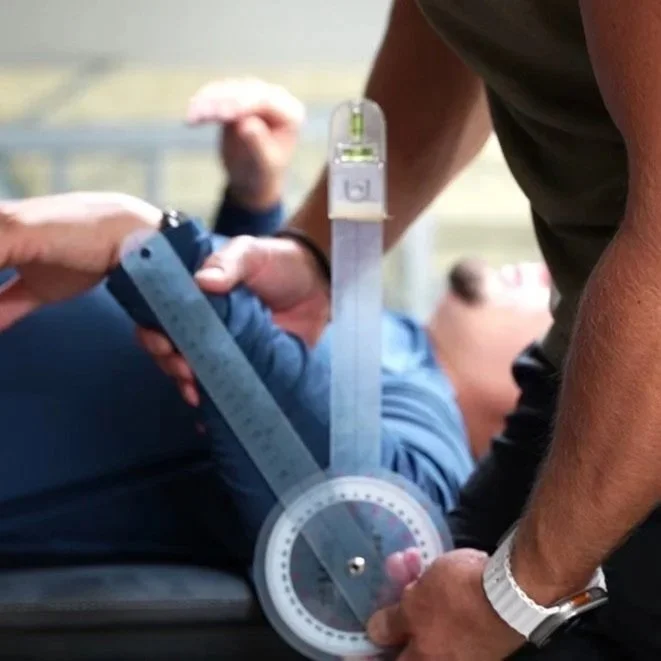
How Are These Injuries Treated?
Most athletes recover well with conservative care. Treatment typically follows this progression:
1. Rest and Symptom Control
Painful throwing stops immediately. Overall workload is reduced while inflammation settles. This stage is non-negotiable. Continuing to throw on an irritated growth plate increases the risk of a more serious injury.
2. Physical Therapy
A structured rehabilitation program should address:
Mobility restrictions in the shoulder and thoracic spine
Rotator cuff and scapular control strength
Core and lower body conditioning
Throwing mechanics review
3. Progressive Return-to-Throw Program
Throwing resumes only after pain is fully resolved, strength has improved, and mobility deficits are corrected. Volume and intensity build gradually under a structured protocol to ensure a safe, durable return to competition.
How to Reduce the Risk
No injury is completely preventable, but these steps make a significant difference:
Follow pitch count guidelines and enforce rest between outings
Avoid year-round pitching: a true off-season protects developing arms
Build total body strength: legs, core, and shoulder stability all reduce stress on the arm
Monitor fatigue: arm fatigue is often the earliest warning sign
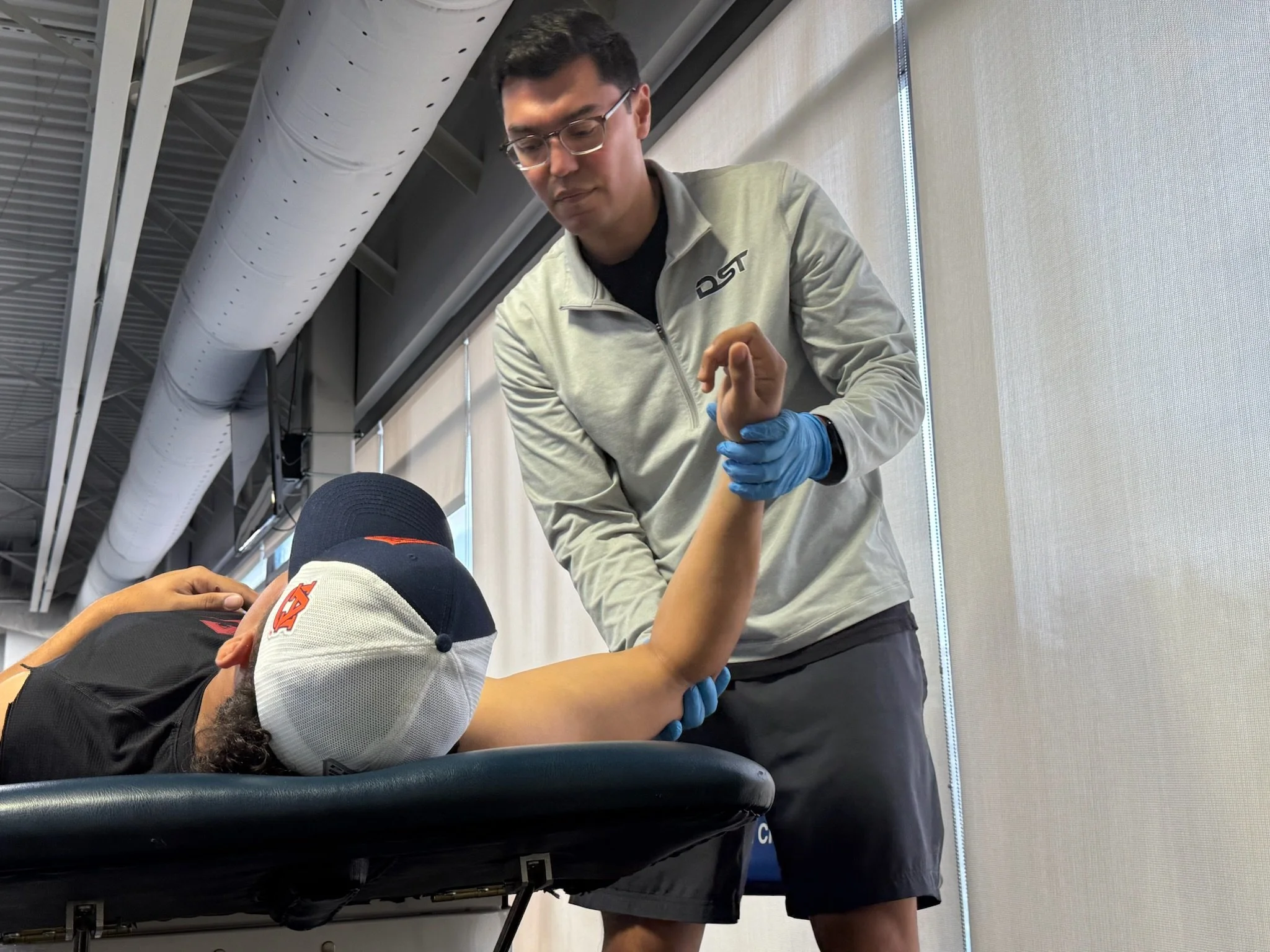
Get regular arm care assessments: proactive screening can catch mobility and strength deficits before they become injuries
Key Takeaways
Little League Elbow affects the growth plate on the inside of the elbow
Little League Shoulder affects the growth plate near the shoulder
Pain with throwing is not normal and should be evaluated promptly
Overuse and poor recovery are the primary causes of both injuries
Most athletes recover fully with proper rest, physical therapy, and a structured return-to-throw program
FAQ
-
Muscle soreness after a long outing is common and typically fades within a day or two of rest. These injuries feel different: pain during the throwing motion itself, tenderness when pressing on the inner elbow or front of the shoulder, or soreness that lingers. If your child is consistently sore after throwing, or symptoms are affecting velocity or mechanics, that’s worth getting evaluated.
-
These injuries are most common between ages 10 and 13, affecting up to 40% of baseball players in that age group. That said, kids who hit growth spurts later can experience these injuries into their mid-teens, sometimes as late as 15 or 16, because their growth plates remain open longer.
-
Not always, but painful throwing needs to stop immediately. Depending on severity, some athletes can continue fielding or hitting while the arm recovers but that decision should be made after a proper evaluation. Playing through arm pain almost always extends recovery time.
-
Timelines vary depending on severity. Mild cases may resolve in a few weeks with rest. More significant injuries can take 2–3 months before a full return to throwing. Research shows that with proper rest and rehabilitation, approximately 95% of athletes return to their pre-injury level of play within six months.
-
In the vast majority of cases, no. Surgery is only considered for severe injuries involving growth plate avulsion fractures, which are relatively rare. Conservative care - rest, physical therapy, and a structured return-to-throw program is effective for most athletes.
-
No. Post-throwing pain is still a symptom, and continuing to throw on an irritated growth plate increases injury risk. “Pain only after throwing” is a common early presentation and still warrants evaluation and rest from throwing.
-
Pitch type is often blamed, but volume and overuse are the bigger drivers. Breaking pitches do place greater stress on the shoulder and elbow if proper throwing mechanics are not maintained. That said, fastball volume alone can cause these injuries when pitch counts and rest aren’t properly managed.
-
Yes - if the underlying issues aren’t addressed. Around 10% of athletes see these injuries return in subsequent seasons. That’s why physical therapy focuses not just on healing, but on strength, mobility, mechanics, and workload management to reduce recurrence risk.
Dynamic Sports Therapy - Arm Care for Houston’s Young Baseball Players
At Dynamic Sports Therapy, we work with baseball players throughout Houston, Cypress, and Tomball to recover from throwing injuries and build strong healthy arms. Our arm care assessments evaluate:
Shoulder Mobility
Elbow Health
Arm Strength
Recovery Habits
Throwing Mechanics
Full Body Movement Screen
Whether your athlete is currently in pain or you’re looking to prevent injuries before the season starts, we can help.