You love to run, but a nagging ache keeps pulling you off the road. Maybe you have already tried rest, generic exercise sheets, or a quick visit where nobody watched you run. That is frustrating, and you deserve better.
At Dynamic Sports Therapy, we help Houston runners find the real reason they hurt, then build a plan that gets them moving faster, stronger, and pain free. It starts with a simple rule: we assess, never guess.
What Does a Running Gait Analysis Reveal?
Your stride tells a story. A running gait analysis shows how your body absorbs force, how your hips and trunk control each step, and where your mechanics may be overloading a joint or tendon.
A quick look with the naked eye can miss these details. A structured running form assessment helps your specialist spot patterns such as limited hip control, uneven loading from side to side, or stride habits that may add stress to your knees, shins, or feet.
Testing That Goes Beyond the Treadmill
Your running analysis is only one piece of the picture. Depending on your needs, your specialist may also use:
Force plate testing to measure how you generate and absorb force
Isokinetic dynamometry to measure muscle strength and compare one side to the other
Functional movement screens to identify mobility or control limitations that carry into your run
These objective measurements replace guesswork. They give you and your specialist a clear starting point and a reliable way to track real progress over time.
Which Running Injuries Can Physical Therapy Help?
Running is repetitive, so small problems can add up fast. The team at Dynamic Sports Therapy treats many of the issues that sideline runners, including:
Runner's knee (patellofemoral pain)
IT band syndrome
Shin splints
Plantar fasciitis
Achilles tendinopathy
Hamstring strains
Hip, groin, and low back pain
Overuse injuries and general tendinopathy
If you are not sure which category your pain falls into, that is fine. Your first step is finding the cause, not putting a label on it.
How Does Treatment Help You Run Again?
Effective running physical therapy does two things. It calms symptoms now, and it builds the strength and control that help you handle training later.
Hands-On Care to Restore Movement
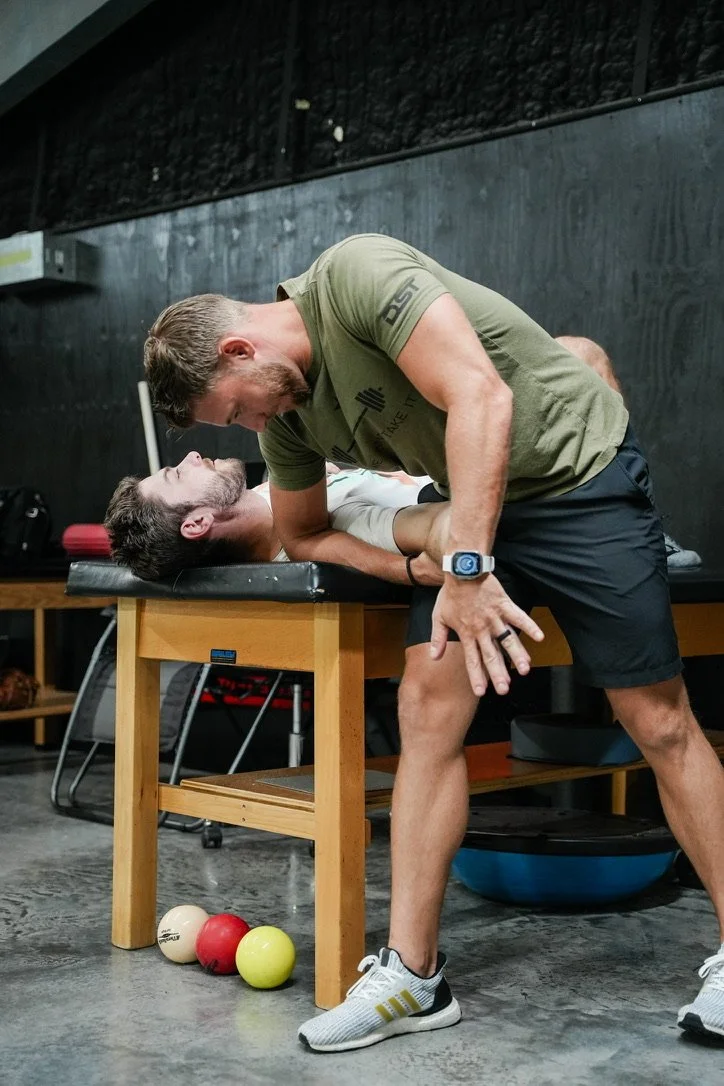
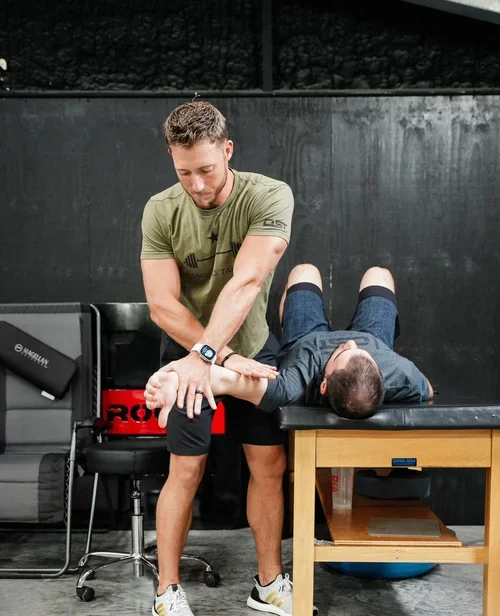
Your specialist may use manual therapy, joint mobilization, myofascial release, soft tissue mobilization, dry needling, cupping, or IASTM to ease tight tissue and improve how you move. These tools are applied with a clear purpose and are never used as a stand-alone fix.
Exercise That Builds a Stronger Runner
Lasting change comes from training your body to move and load correctly. Your plan may include therapeutic exercise, neuromuscular re-education, and blood flow restriction (BFR) training, which can help you build strength while using lighter loads. As you progress, plyometrics and return-to-sport progressions prepare your body for the full impact demands of running.
What Makes Dynamic Sports Therapy Different for Runners?
Cookie-cutter care does not fit athletes. Here is how Dynamic Sports Therapy approaches running rehab differently:
Full one-on-one sessions with the same board-certified specialist every visit, with no rotating assistants or rushed appointments
SCS and CSCS credentials that bring sports rehab and strength training knowledge together
Individualized plans built around your training load, race goals, and sport
A collaborative team of rehab experts, strength specialists, and coaches
Locations inside active training facilities, so your transition from rehab to performance training feels seamless
You can also start right away. Texas direct access means no physician referral is needed to begin care. Learn more about our team and our full list of services.
How Do You Know You Are Ready to Run Again?
Feeling better does not always mean you are ready to return to training. Going back too soon is one of the most common reasons running injuries come back.
At Dynamic Sports Therapy, return-to-running decisions rely on measurable benchmarks, not just the calendar or how you feel on a given day. Strength testing, movement quality, and your running mechanics all help confirm when you are truly prepared to get back to the miles you love. For more athlete-focused tips and resources, visit our blog.
Ready to Get Back to the Run You Love?
You do not have to keep running through pain or settle for generic advice. The Houston team at Dynamic Sports Therapy is ready to assess your stride, identify the cause, and guide you back to confident, pain-free running.
Book a free phone discovery call today. There is no obligation, just a conversation about your goals and how running physical therapy in Houston can help you reach them.