You train early, log the miles, and chase the next personal best. Then a nagging knee, a tight Achilles, or sharp shin pain stops you in your tracks. You do not want a cookie-cutter plan that treats you like every other patient.
The right clinic can get you moving again and make you a stronger runner in the process. Here is what to look for and how Dynamic Sports Therapy supports runners in Tomball.
What Should Runners Look for in a Physical Therapist?
Running is repetitive. Every stride loads your hips, knees, feet, and spine, so small movement flaws can turn into significant problems over time. A general clinic may treat the sore spot and send you home, but runners need someone who evaluates the whole system.
When comparing clinics, look for:
A therapist who understands running mechanics and training load
Objective testing instead of guesswork
Hands-on care paired with a progressive strength plan
A clear path from rehab back to full training
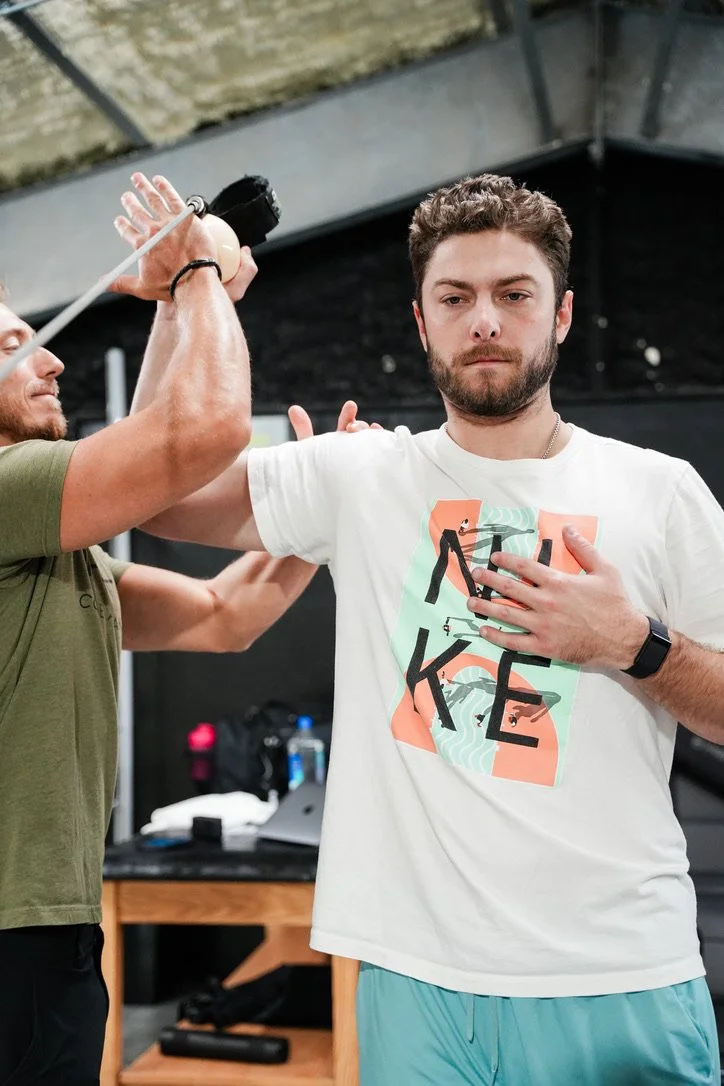
How Does Data-Driven Testing Help Runners?
At Dynamic Sports Therapy, the approach is simple: assess, never guess. Your plan starts with measurable information about how you move and where your body is falling short.
Depending on your needs, your evaluation may include:
Running gait analysis to examine your stride, foot strike, and joint positions as you run
Running form assessment to identify habits that may add unnecessary stress to your body
Force plate testing to measure how you produce and absorb force, and whether one side is compensating
Isokinetic dynamometry to objectively compare muscle strength between legs
Functional movement screening to uncover mobility or control limitations before they become injuries
This data shapes a plan built around your specific goals, whether that is completing a first 5K or preparing for a competitive race season.
Why Does One-on-One Time With the Same Specialist Matter?
If you have ever felt rushed or handed off to a different assistant each visit, you know how disruptive that is to your progress. Consistent, focused care from the same specialist means your therapist notices small changes, adjusts your plan quickly, and understands your full training history.
That level of attention is difficult to replicate in a high-volume clinic setting, and it makes a meaningful difference in how efficiently you recover and progress.
Which Running Injuries Does Dynamic Sports Therapy Address?
Runners arrive with a wide range of problems. Commonly treated conditions include:
Runner's knee (patellofemoral pain)
IT band syndrome
Shin splints
Achilles tendinopathy
Plantar fasciitis
Hip pain and hip impingement
Low back pain
Hamstring strains and other overuse injuries
Hands-On Care and Advanced Modalities
Manual therapy is a core part of the treatment approach at Dynamic Sports Therapy, including joint mobilization, myofascial release, soft tissue mobilization, and trigger point therapy. When appropriate, care may also incorporate dry needling, cupping, IASTM, electrical stimulation, or blood flow restriction (BFR) training.
Exercise That Builds a Stronger Runner
Hands-on treatment is only part of the answer. Therapeutic exercise, neuromuscular re-education, and plyometric progressions help you build the strength, control, and resilience your stride depends on. You can explore the full range of services on the Services page.
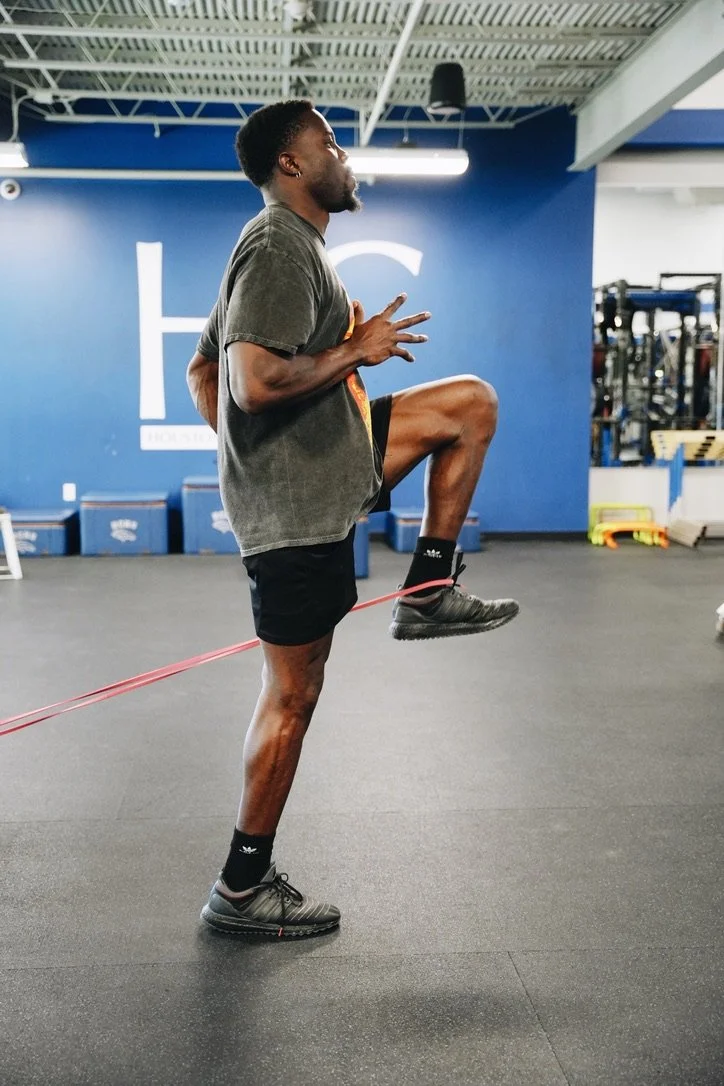
How Do You Know You Are Ready to Run Again?
Feeling better is not the same as being ready to return to running. Many runners come back too soon and end up right back where they started.
At Dynamic Sports Therapy, measurable benchmarks guide your return to running, including strength comparisons, movement quality assessments, and return-to-sport testing. The goal is to clear you based on how your body actually performs, not simply how many weeks have passed.
From Rehab to Performance
Because Dynamic Sports Therapy operates within an active sports training environment, you can transition from running physical therapy into performance training, strength and conditioning, or personal training without starting over with a new provider. Rehab specialists, strength staff, and coaches work together so your plan stays connected from start to finish. Learn more about the team on the About page.
Ready to Get Back to Running Strong in Tomball?
You do not need a physician referral to begin physical therapy in Texas, so you can take the first step today. Reach out to Dynamic Sports Therapy to start with a discovery call, talk through your pain and goals, and get a plan built specifically around your running. You can also visit the Blog for more running recovery and performance resources.