Top 5 Houston Running Injuries and How to Prevent Them
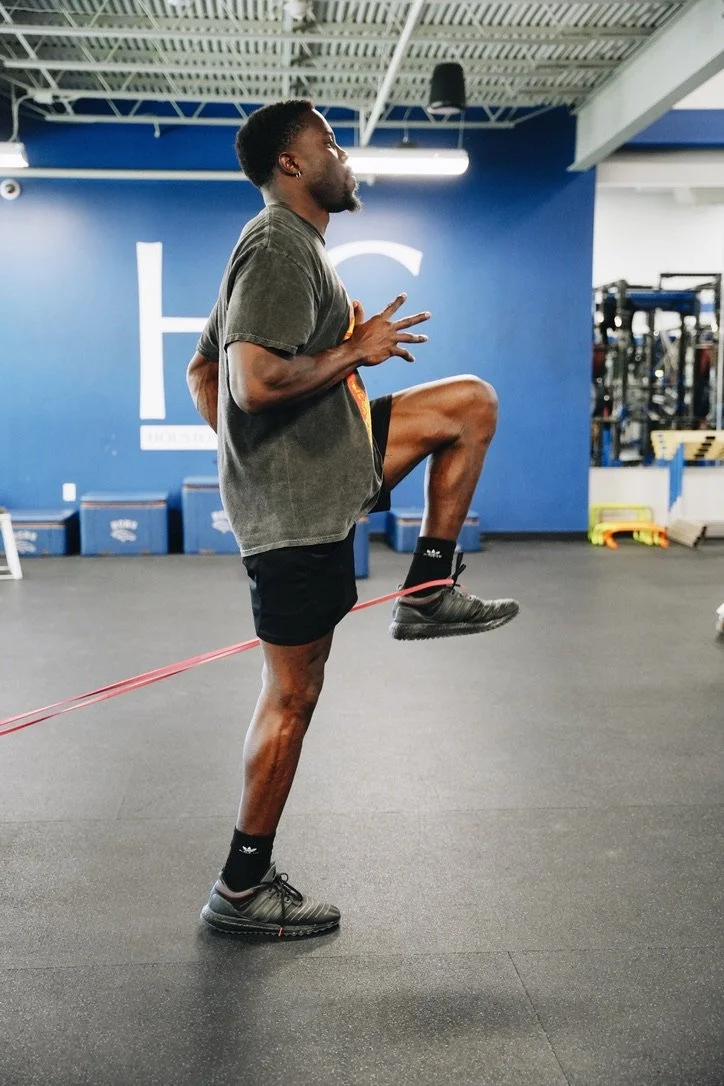
Running is one of the best ways to stay active, build endurance, and support long-term health. But like any repetitive activity, it places thousands of impacts through the body with every mile.
Most running injuries aren't caused by a single run. They develop gradually when training demands exceed what the body is prepared to handle. The good news is that many of the most common running injuries are preventable with smart training, consistent strength work, and attention to early warning signs.
Here are the five injuries we see most often at Dynamic Sports Therapy in Houston Texas, and what runners can do to reduce their risk.
1. Runner's Knee (Patellofemoral Pain Syndrome)
Runner's knee is one of the most common running injuries and a leading cause of knee pain in runners. It typically produces pain around or behind the kneecap, especially when running downhill, climbing stairs, or sitting for extended periods.
The most common contributors are rapid increases in training volume, hip and glute weakness, limited ankle or hip mobility, and running mechanics that place excess load on the kneecap. Strengthening the hips and glutes, progressing mileage gradually, and improving lower-body mobility are the most effective prevention strategies.
2. Plantar Fasciitis
Plantar fasciitis causes pain along the bottom of the heel or arch, often worst with the first few steps in the morning or after longer runs. Tight calf muscles, limited ankle mobility, and sudden mileage increases are frequent contributors.
Improving calf flexibility, strengthening the foot and lower leg, and progressing training load gradually are the most reliable ways to reduce risk. Running shoes don't cause plantar fasciitis on their own, but replacing worn-out shoes before they lose their cushioning and support may help reduce unnecessary stress on the foot.
3. Achilles Tendinopathy
The Achilles tendon absorbs significant force with every stride. When training load increases faster than the tendon can adapt, pain and stiffness can develop often starting as morning stiffness or discomfort at the beginning of a run that warms up over time.
Gradual volume progression, consistent calf strengthening, and avoiding sudden spikes in speed work or hill training are the most important prevention tools. Achilles issues that are caught early tend to resolve much faster than those that are pushed through.
4. Shin Splints (Medial Tibial Stress Syndrome)
Shin splints cause pain along the inside of the shin and are especially common in newer runners or those who increase mileage too quickly. Limited ankle mobility, calf weakness, and training errors are the most frequent contributors.
Increasing mileage gradually, strengthening the calves and lower leg, and building recovery days into the training plan go a long way toward prevention. Running on unfamiliar or harder surfaces without adequate preparation can also be a trigger.
5. IT Band Syndrome
IT band syndrome causes pain along the outside of the knee, typically during longer runs or downhill running. Although the discomfort is felt at the knee, the contributing factors are usually found higher up — in glute strength, hip control, and single-leg stability.
Strengthening the glutes and hips, improving single-leg stability, and managing weekly training volume are the most effective prevention strategies. Running mechanics often play a role as well, particularly in runners who experience recurring symptoms.
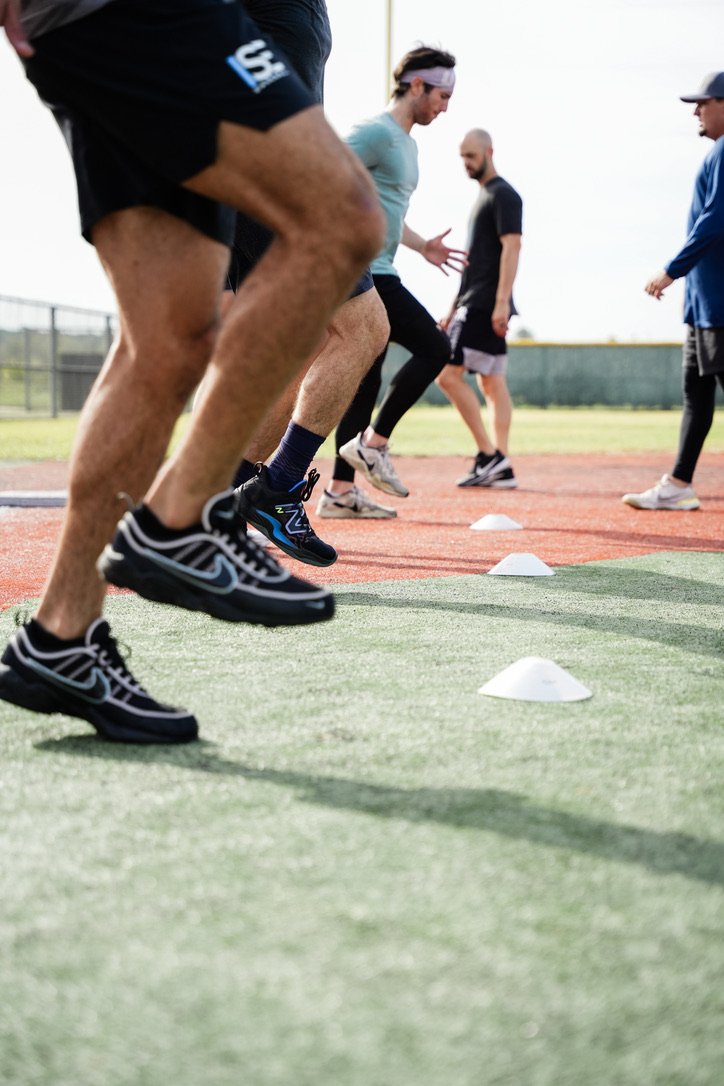
How to Reduce Your Risk of Running Injuries
Running injuries are rarely caused by one factor alone. They typically develop from a combination of training load, recovery, strength, mobility, and running mechanics. Addressing only the painful area often overlooks the factors that allowed the injury to develop in the first place.
While every runner is different, a few habits consistently reduce injury risk across the board. Increase mileage gradually rather than making big jumps from week to week. Strength train two to three times per week, with an emphasis on the hips, glutes, calves, and lower leg. Prioritize sleep and recovery - the body adapts to training stress during rest, not during the run itself. And listen to early warning signs instead of pushing through pain that changes your mechanics or worsens over time.
Small aches are common. Pain that persists, returns consistently, or forces you to alter your stride deserves attention.
When to See a Physical Therapist
If pain has been present for more than one to two weeks, keeps coming back, or is preventing you from training the way you'd like it's time for an evaluation.
A running-focused physical therapist can assess strength, mobility, training load, and running mechanics to identify what's contributing to your symptoms and build a plan to get you back on the road safely. The earlier an issue is addressed, the easier it is to resolve.
At Dynamic Sports Therapy, we work with runners throughout Houston, Cypress, and Tomball to identify the source of their symptoms, address the underlying factors, and build durable, resilient runners.
The goal isn't just to get you out of pain. It's to build a body that allows you to keep running for years to come.